Himachal 9 Devi Devi Darshan Tour Package
Blessing From 9 Nine Shaktipeethas of Himachal Pradesh & Katra…
Available From: Chandigarh | New Delhi | Mumbai | Pune | Kolkata | Chennai | Surat | Ahmedabad | Bangalore | Cochin | Hyderabad | Goa | Bhopal | Indore | Bhubaneswar
Himachal 9 Nau Devi Darshan Tour
Tour Code: HTP/06/02
Tour Duration: 06 Nights & 07 Days
Places to Visit: Mansa Devi, Naina Devi, Jwalaji, Baglamukhi, Chintpurni, Bajreshwari, Chamundaji, Kunal Pathri & Vaishno Devi – Ex CHD/Pathankot
No. of Night Stay: 1 Night Chandigarh | 1 Night Jwalaji | 2 Nights Dharamshala | 2 Nights Katra
Himachal 9 Nau Devi Darshan Tour Package
Embark on a profoundly spiritual journey with our meticulously crafted Himachal 9 Nau Devi Darshan Tour Package for 6 nights 7 days, designed for devotees seeking divine blessings across the revered shrines of Himachal Pradesh. Your sacred pilgrimage can seamlessly begin from your preferred major city — Chandigarh, Pathankot, or Amritsar — ensuring convenient access and a smooth start to your spiritual quest. This comprehensive Himachal 9 Nine Shaktipeeth tour takes you through the heart of the Himalayas, covering all nine revered abodes of the Goddess, including below prominent temples of Haryana, Himachal Pradesh and Jammu Kashmir in North India, ensuring you receive holistic blessings:
Himachal 9 Nau Shaktipeeths Darshan Tour Package
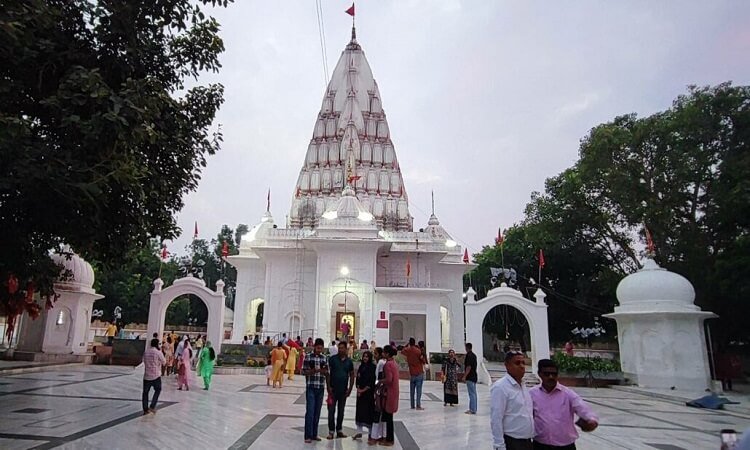
Mansa Devi Temple is located in Panchkula, Haryana, near Chandigarh.
Naina Devi Temple is in Bilaspur, Himachal Pradesh.
Jwala Ji Temple is situated in Jwalamukhi, Kangra District, Himachal Pradesh.
Mata Chintpurni Temple is located in Una District, Himachal Pradesh.
Mata Baglamukhi Temple is in Bankhandi, Kangra District, Himachal Pradesh.
Mata Bajreshwari Temple, also known as Kangra Temple, is in Kangra, Himachal Pradesh.
Mata Chamunda Devi Temple is located in Kangra District, Himachal Pradesh.
Kunal Pathri Mata Temple is near Dharamshala, in Kangra District, Himachal Pradesh.
Mata Vaishno Devi Temple is in Katra, Jammu & Kashmir.
Throughout your 7-day divine exploration, we provide comfortable accommodation, dedicated transportation, and a well-planned itinerary to ensure a hassle-free experience, allowing you to fully immerse yourself in devotion and the serene spiritual ambiance of each sacred site. Let us facilitate your unforgettable journey to connect with the divine power of the 9 Nine Devis.
Day 01: Arrival in Chandigarh & Spiritual Beginnings at Mata Mansa Devi
Upon your arrival at Chandigarh airport or railway station, our driver will greet you and transfer you to your pre-booked hotel. After checking in and refreshing, you’ll embark on your first spiritual journey: a Darshan (sacred viewing) at Mata Mansa Devi Shaktipeeth, located in Panchkula, Haryana, just outside Chandigarh.
This revered temple is one of the most prominent Shaktipeeths, holding profound spiritual significance as the mythical spot where Goddess Sati’s head is believed to have fallen. Dedicated to Goddess Mansa Devi, an incarnation of Shakti, the temple is a cornerstone of devotion, with countless pilgrims converging here, believing her to fulfill their desires for health, prosperity, and wish fulfillment. The temple’s serene ambiance offers a deeply humbling and enriching experience, particularly during the Navratras, when the complex buzzes with vibrant celebrations and fervent prayers. A Darshan at this sacred site is considered an essential spiritual journey for anyone visiting the Chandigarh region.
Following your spiritual visit, we’ll take you to Sukhna Lake, often called the “lifeline” of Chandigarh. Here, you can enjoy some quality time by the tranquil shores of this iconic lake. Optionally, you may also visit the unique Rock Garden, a magnificent testament to the lifelong dream and artistic vision of its creator, Mr. Nek Chand.
Should you be interested in some retail therapy, a visit to Sector 17, Chandigarh’s popular main market and shopping hub, can be arranged.
Later, you will return to your hotel for dinner and a relaxing overnight stay in Chandigarh.
Day 02: A Spiritual Pilgrimage Through Himachal Pradesh's Shaktipeeths – Naina Devi – Chintpurni – Jwala Ji
Day two unfolds as a deep spiritual journey through Himachal Pradesh’s revered Shaktipeeths. After breakfast in Chandigarh, you’ll begin your drive towards Naina Devi Temple. The picturesque 105 km journey, expected to take 2-3 hours, offers stunning views of the Himachali landscape.
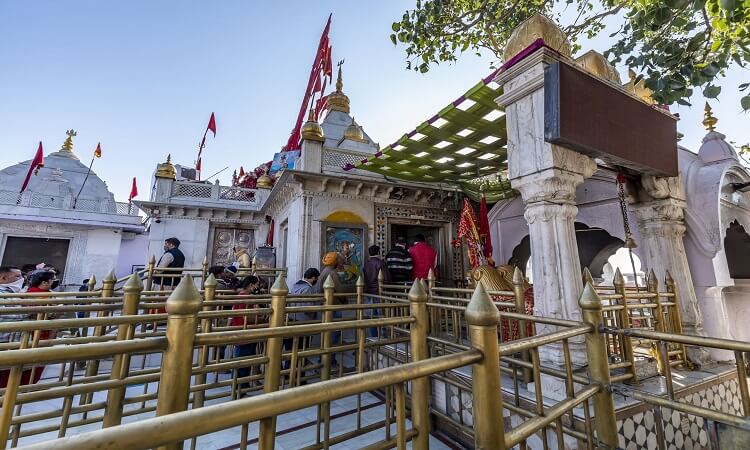
Upon arrival, pay homage at the revered Naina Devi Shaktipeeth. Perched dramatically atop a hill in the Shivalik range, overlooking the tranquil Govind Sagar Lake, this temple is dedicated to Goddess Naina Devi. Legend has it that Goddess Sati’s eyes fell here, giving the site its name, ‘Naina Devi’ (Eye Goddess). The darshan often involves a scenic cable car ride or a trek, both offering breathtaking panoramic views. The temple complex, adorned with traditional Himalayan architecture, vibrant carvings, a shimmering silver dome, and a golden flag, exudes a powerful aura of devotion, drawing pilgrims seeking blessings and spiritual solace.
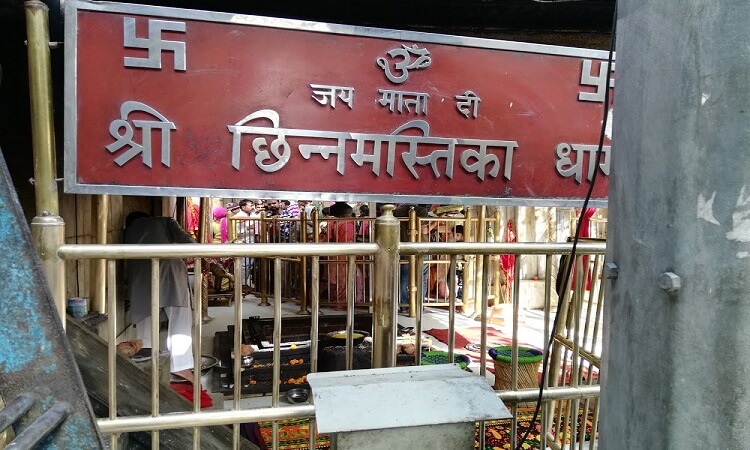
Your spiritual journey then continues with a 3-hour, 110 km drive to Chintpurni. This revered Shaktipeeth, nestled in the serene Sivalik foothills, is dedicated to Mata Chintpurni Devi (also known as Chhinnamastika Devi), believed to alleviate worries (‘Chinta’) and fulfill desires (‘Purna’). The temple, modest in scale but rich in traditional Himachali design, houses not an idol, but a ‘pindi’ (natural rock formation) as the goddess’s manifestation. Devotees perform rituals like offering coconuts and chunris, and even ‘mundan’ (head shaving), amidst the vibrant chants and hopes of countless pilgrims, making the darshan a profoundly moving experience.
The day concludes with a final 33 km, one-hour drive to Jwala Ji. Upon arrival, check into your pre-booked hotel. After refreshing, prepare to visit the renowned Mata Jwala Ji temple in the picturesque Kangra district. This significant Shaktipeeth is believed to be where Devi Sati’s tongue fell. What makes Jwala Ji unique is the absence of a deity idol; instead, Mata Jwala Ji is worshipped through nine eternal flames that naturally emanate from within the sanctum’s rock crevices. These continuously burning, gas-fueled mystical flames are considered a direct manifestation of the goddess, symbolizing eternal divine presence and purity. Witnessing this extraordinary natural phenomenon and seeking blessings here offers a truly memorable and deeply spiritual encounter with the divine.
This day beautifully blends travel with profound devotion, offering a serene experience at these vital Hindu shrines. In the evening, return to your hotel for an overnight stay in Jwala Ji.
Day 03: Jwala Ji – Mata Baglamukhi – Bajreshwari Devi (Kangra) – Dharamshala
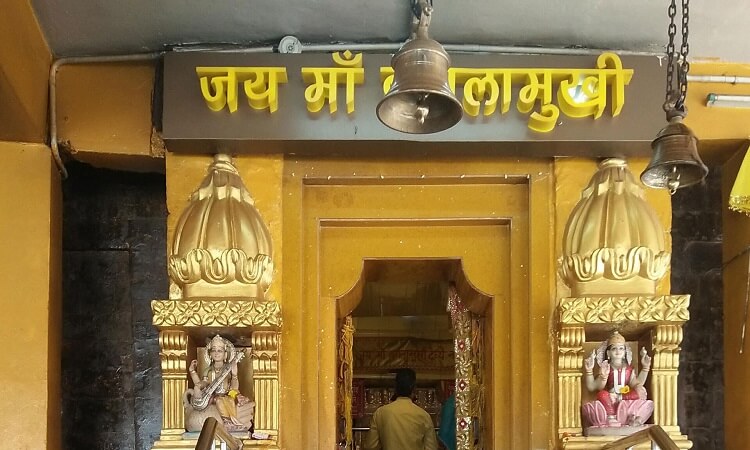
Day 3rd commences with check-out from the Jwala Ji hotel after breakfast, marking the start of a profound spiritual odyssey through Himachal Pradesh. Our first stop is the mystical Mata Baglamukhi Temple, dedicated to the Goddess renowned for bestowing power over adversaries and negative forces, and distinctly recognized by her vibrant yellow form. Each visit on this journey evokes a unique sense of divine energy and ancient wisdom.
Our spiritual circuit then leads us to the historic and magnificent Bajreshwari Devi Temple, also known as Kangra Mata Temple. Nestled in the serene Kangra Valley of Himachal Pradesh, this revered Mata Bajreshwari Shaktipeeth is one of India’s most significant and ancient seats of divine power. Believed to be one of the 51 Shaktipeeths, the shrine was consecrated by the fallen body parts of Devi Sati. Legend posits that Devi Sati’s ‘Vajra’ (thunderbolt) or a vital part of her body fell here, establishing it as a highly potent pilgrimage destination. Devotees journey from far and wide seeking the Mother Goddess’s blessings. The temple’s remarkable resilience, evident in its repeated destruction and rebuilding over centuries—notably after invasions like Mahmud of Ghazni’s—testifies to the unwavering faith of its followers.
The architecture of Mata Bajreshwari Temple profoundly reflects its rich past and enduring spiritual significance. The current structure, painstakingly rebuilt and restored, exemplifies a blend of ancient Indian architectural styles, featuring intricate carvings and a vibrant sanctum emanating a powerful spiritual aura. Uniquely, unlike many temples with anthropomorphic idols, the presiding deity, Mata Bajreshwari Devi, is primarily worshipped as a Pindi (a natural rock formation), symbolizing her formless, all-encompassing power. Within the complex, devotees also offer prayers at the shrines of Bhairav and other subsidiary deities, enriching the overall sacred experience.
More than just a darshan (sight) of the deity, a visit to Mata Bajreshwari Shaktipeeth offers a profound, soul-rejuvenating spiritual experience. Pilgrims undertake this journey with immense devotion, believing that sincere prayers here can fulfill wishes, alleviate suffering, and even grant moksha (salvation). The temple vibrates with divine energy, particularly during the auspicious Chaitra and Sharad Navratri festivals, when thousands of devotees throng the premises, engaging in elaborate rituals, chanting hymns, and offering heartfelt prayers. The serene ambiance, coupled with the fervent devotion of pilgrims, solidifies Mata Bajreshwari Temple as a truly transformative destination for anyone seeking a deeper connection with the Divine Mother.
As the day, rich with the powerful vibrations of these revered Devi temples, draws to a close, we embark for the serene hills of Dharamshala. Tucked amidst the majestic Dhauladhar ranges, Dharamshala offers a tranquil haven—ideal for reflection after an intense day of devotion—with its breathtaking views and calming atmosphere, perfectly concluding our spiritual exploration. Upon arrival, we check into our hotel for dinner and an overnight stay.

Day – 04: Dharamshala – Chamunda Devi – Kunal Pathri – Dharamshala Local Sightseeing
Day 4th of your exploration in Dharamshala offers a harmonious blend of spiritual renewal and cultural engagement, commencing with a tranquil visit to the esteemed Chamunda Devi Temple, which is situated amidst the stunning landscapes of Himachal Pradesh, specifically in the scenic Kangra Valley near Palampur. This temple, dedicated to Goddess Chamunda, a fierce and potent incarnation of Durga or Kali, is regarded as a significant Upashaktipeeth, a powerful seat of divine energy where it is believed that the Devi vanquished the demons Chanda and Munda.
The temple’s setting is truly captivating, positioned along the banks of the Ban Ganga River, with the majestic Dhauladhar mountain range providing a breathtaking backdrop, which imbues the complex with an atmosphere of deep tranquility and natural beauty.
Pilgrims visit this sacred site to seek the blessings of the Mother Goddess for strength, protection, and liberation from negativity. The architecture of the temple reflects traditional Himachali styles, featuring intricate carvings and a vibrant spiritual energy that permeates its grounds. Inside, devotees encounter a profound sense of peace and divine presence, particularly during the daily rituals and aartis, making the Chamunda Mata Temple a crucial destination for spiritual seekers and a visual delight nestled in the embrace of the Himalayas.
Subsequently, the journey ascends to the ancient Kunal Pathri Temple. This lesser-known treasure, believed to be the site where Sati’s forehead fell, offers not only religious importance but also stunning panoramic views of the Kangra Valley, rendering it an ideal location for serene contemplation.
As the afternoon progresses, the itinerary transitions to the vibrant exploration of Dharamshala Local Sightseeing, which generally includes immersing oneself in the spiritual core of McLeod Ganj with visits to the Bhagsu Nag Temple, St. John Church, Dal Lake, and the Tsuglagkhang Complex (Dalai Lama Temple), allowing for a rich experience of the local culture and spirituality.
Later, return back to hotel for dinner overnight relaxation.
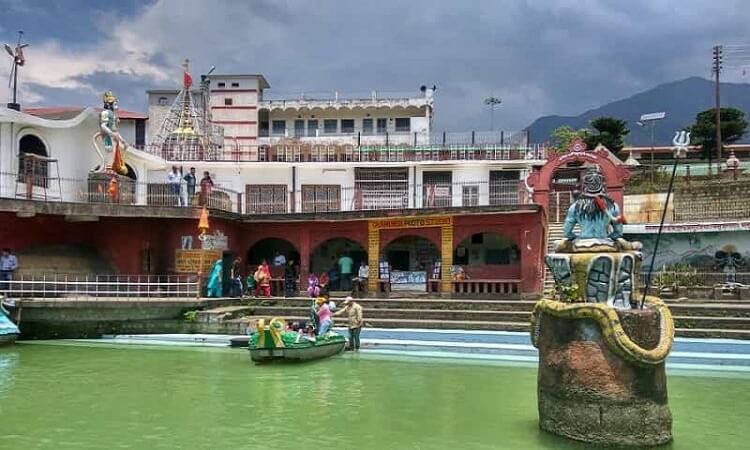
Day 05: Dharamshala to Katra (240 Km – 6/7 Hours drive)
The fifth day signifies a notable shift in this travel itinerary, transitioning from the peaceful tranquility of Dharamshala to the vibrant spiritual atmosphere of Katra. As travelers say goodbye to the refreshing mountain air and breathtaking vistas of the Dhauladhar range, they commence a considerable journey of 240 kilometers.
This picturesque yet lengthy drive, expected to last approximately 6 to 7 hours, will meander through varied landscapes, gradually descending from the verdant Himalayan foothills to the more flat terrain as one nears the Jammu region. Upon reaching Katra, the ambiance changes markedly, with the town alive as the main base for pilgrims en route to the esteemed Vaishno Devi Shrine.
Following a thorough day of travel, the evening will be reserved for relaxation and rejuvenation, possibly including initial preparations for the spiritual journey ahead, signifying a significant transition from a peaceful mountain retreat to a lively pilgrimage center.
Check into the hotel, refresh, explore the lively local market of Katra, and enjoy an overnight stay in Katra.
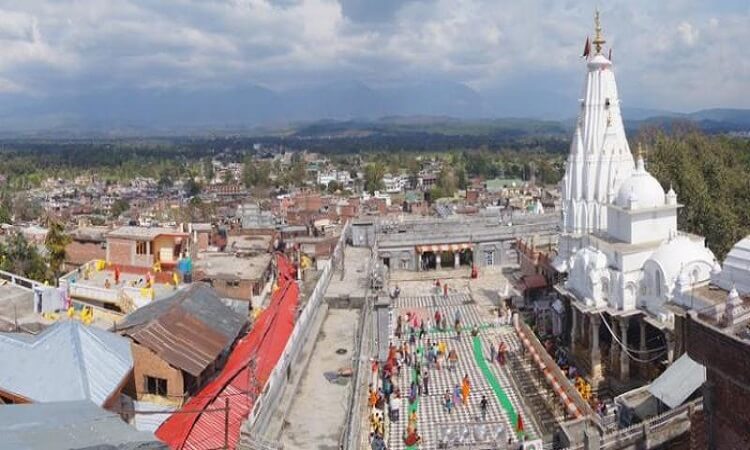
Day – 06: Mata Vaishno Devi Darshan
Following an early breakfast, prepare to embark on a trek of approximately 12 kilometers to the Mata Vaishno Devi (Temple) Bhawan. The sixth day marks the spiritual zenith of the journey for many, centering entirely on the challenging yet profoundly rewarding Darshan of Mata Vaishno Devi.
The pilgrimage commences with the ascent to the sacred shrine located in the Trikuta Mountains, a demanding trek that purifies the spirit with each step accompanied by the chant of ‘Jai Mata Di’. Upon arrival at the main Bhawan, devotees often wait for hours to witness the three natural rock formations (Pindies) within the sanctum sanctorum, which symbolize Maa Lakshmi, Maa Saraswati, and Maa Kali, evoking a deep sense of tranquility and divine presence. Halfway through the ascent lies Ardhkuwari, a crucial stop where pilgrims navigate the narrow ‘Garbha Joon’ cave, thought to represent rebirth and purification, akin to a mother’s womb, before continuing to the principal shrine.
However, the Darshan is deemed incomplete without a visit to the Bhairo Baba temple, situated at a higher elevation overlooking the Vaishno Devi shrine; it is believed that Mata Vaishno Devi herself decreed that her devotees must also seek the blessings of Bhairo Baba following her Darshan, ensuring the fulfillment of their pilgrimage. This multifaceted pilgrimage, which combines physical endurance with steadfast faith, culminates in a profound spiritual experience, leaving devotees with a sense of immense blessing and inner peace, prepared to carry the divine energy forward.
Late evening, return back to Katra hotel, upon arrival and overnight at hotel.

Day – 07: Transfer to Jammu / Pathankot / Amritsar Railway Station or Airport
On the seventh day, you will experience the bittersweet end of your remarkable journey. Following a final, fulfilling breakfast at your hotel, you will finalize your packing and check out, ensuring that all personal items are accounted for. A comfortable transfer will then be organized to take you to either Jammu Railway Station/Airport or Amritsar Railway Station/Airport, based on your subsequent travel plans.
As you set off on your journey back home or to your next destination, you will carry with you a wealth of unforgettable memories, from the stunning landscapes and cultural encounters to the warm hospitality experienced throughout your travels. We genuinely hope you had a rewarding and enjoyable time, and we eagerly anticipate the opportunity to welcome you on another adventure in the near future.

Himachal 9 Nau Devi Darshan Tour Package Includes
Himachal 9 Nine Shaktipeeth Tour Package Excludes
Welcome drink on arrival (Non alcoholic).
Accommodation on twin/triple/quad sharing basis.
Choice of meals plan:
EP (European Plan)- Room only basis.
CP (Continental Plan) – Room with 6 breakfast.
MAP (Modify American Plan) – Room with 6 breakfast & 6 dinner.
AP – (American Plan) – Room with 6 breakfast, 6 lunch & 6 dinner.
Transport used Swift D’zire / Etios / Ertiga / Innova car / Tempo Traveler / AC & Non AC Buses.
Above transport will also use for pick up & drop off.
Same transports will use for all days sightseeing as per above Himachal 9 Nau Devi Darshan tour itinerary.
All toll taxes, state taxes, parking fee and drive allowance.
Any Train / Air / Bus fare
Mineral water
Heater / Blower charges
Pony / Horse / Ropeway / Gondola ride fee
Any garden / Monument entry fee
Shopping, any adventure activities, any expenses for personal activities
Tour guide fee / Laundry Service / Tips
Any additional meal charges
AC will not work in the cab on hill roads
GST 5% Tax
Anything not mentioned in package inclusions Any expenses arising out of unforeseen circumstances as hike in fare, flight / train delay or cancelled, strike or any other natural calamities